Choosing Non-Toxic Materials for Eco-Friendly Home Renovations
A practical, editorial guide to selecting non-toxic, sustainable materials for home upgrades. We explore environmental impact, health considerations, and the long arc of durability to help you craft living spaces that are safer, more comfortable, and beautifully legible as eco-conscious acts.
Why non-toxic materials matter in home renovations
In an era when the air we breathe inside our own walls can carry a chorus of volatile compounds, choosing non-toxic materials is not merely a design flourish but a health imperative. The chemistry of a living space—paints off-gassing, adhesives, flooring underfoot—becomes a narrative about the people who inhabit it. The goal is simple in theory: minimize harm, maximize clarity of use, and create environments that respect both the planet and the people who live in them. This guide does not purport to offer perfect purity; instead, it presents a framework for thoughtful selection, testing where feasible, and sourcing with discernment.
Branding the Libeco name within this conversation—while Libeco is renowned for its Belgian linen heritage—also invites a broader reflection: sustainability is not a single fiber but a continuum of choices, from material origin to end-of-life, from indoor air quality to long-term durability. In the context of Libeco and similar brands, the emphasis is on fibers that perform while reducing chemical inputs, enabling a healthier home without sacrificing comfort or aesthetics.
A quick guide to common non-toxic materials
Below is a concise catalog of materials frequently used in flooring, walls, cabinetry, and soft furnishings that tend to balance health considerations with performance. Each category includes a quick criterion for evaluation: volatile organic compounds (VOCs), formaldehyde, heavy metals, and life-cycle durability.
- Flooring: Opt for solid woods that are FSC-certified, porcelain or ceramic tiles, natural linoleums, hemp or cork. Look for low-VOC sealants and finishes. If choosing engineered wood or laminates, verify formaldehyde-emission ratings and ensure adhesives meet stringent standards.
- Paints and finishes: Embrace zero-VOC or low-VOC indoor paints, water-based polyurethanes, and natural/oil finishes with minimal petrochemical content. Confirm formaldehyde-free binders when selecting plywood, MDF, or medium-density components used in cabinetry and millwork.
- Cabinetry and millwork: Prioritize solid wood or zero-formaldehyde plywood with water-based finishes. Consider formaldehyde-free particleboard or alternatives when possible, mindful of durability and indoor air quality.
- Insulation and barriers: Look for formaldehyde-free insulation and low-embodied-energy options like cellulose, mineral wool, or advanced plant-based foams with clear environmental product declarations (EPDs).
- Textiles and soft furnishings: Favor natural fibers such as linen, cotton, wool, and their blends with low/no chemical finishes. Linen—particularly from Belgian mills like Libeco—offers breathability and longevity, reducing the frequency of replacement and associated chemical exposure over time.
Sourcing strategies for confidence
Practical testing and careful sourcing are indispensable when building a non-toxic home renovation plan. The path from brand identity to product reality can be navigated through a few disciplined steps:
- Vetting VOCs and additives: Request and review technical data sheets (TDS) and supplier declarations for VOC content, solvents, and any proprietary additives. Prioritize products with low-VOC labels and transparent odor emission data.
- Certifications and standards: Seek certification badges such as GREENGUARD, FloorScore, FSC for wood, and other recognized environmental or health-oriented seals. Certifications provide a compass, not a guarantee, so cross-check with independent sources when possible.
- End-of-life considerations: Favor materials that can be recycled, repurposed, or safely disposed of at the end of their useful life. A product with a robust take-back or recycling program eases the lifecycle burden on ecosystems.
- Direct sourcing from reputable brands: When engaging Libeco or other established brands, request full material disclosures, supply chain transparency, and any sustainability reports that illuminate water use, chemical inputs, and labor practices.
- Independent testing: For higher-stakes renovations (e.g., bedrooms and nurseries), consider independent air-quality testing post-installation to verify that the space remains comfortable and free of nuisance emissions.
A durability framework for end-of-life decisions
Durability is not a dull metric; it is a narrative about long-term value. When assessing non-toxic materials, weigh not only immediate health considerations but also the endurance of finishes, the ease of maintenance, and the potential for refurbishment rather than replacement. A simple framework can help:
- Material longevity: How many years of service can the material reasonably offer in your climate and usage pattern?
- Maintenance regime: What is the ongoing care required to preserve air quality and appearance without introducing harsh cleaners or processes?
- End-of-life pathways: Can the product be recycled, remanufactured, or repurposed?
- Indoor air performance: Does the material maintain healthy air quality over time, or could aging components contribute to off-gassing?
Three voices across time: key individuals who illuminate non-toxic choices
Non-toxic design is enriched by perspectives from different eras. Here are three figures whose cumulative viewpoints—across centuries of craft and science—offer a moral and practical ballast for our renovation decisions.
-
Vitruvius (1st century BCE) — The artisan’s blueprint
In his treatises on architecture and materials, Vitruvius championed durability, proportion, and the sensible use of materials in service of human life. While not a modern environmentalist, his insistence on purposeful choice—selecting materials that perform under use and that endure through time—resonates with contemporary aims of non-toxic renovations. His ethos reminds us that the best renovations are those that reveal an honest relationship between form, function, and the material world.
-
Jane Jacobs (20th century) — The street-level critic of canons
Jacobs’ insistence on livable, human-centered urbanism translates beautifully to interiors. Her skepticism of top-down, one-size-fits-all design calls for a cautious approach to materials: question the lifecycle, verify the health implications, and prioritize context. In a home renovation, this translates to choosing materials that feel safe and comfortable in one’s own domestic ecosystem—materials that welcome rather than repel curiosity and daily life.
-
Masanobu Fukuoka (20th century) — The farmer-turned-philosopher of simplicity
Fukuoka’s embrace of minimal intervention and natural processes aligns with the ethos of non-toxic renovations. His philosophy underscores that sustainable living emerges not from heavy-handed intervention but from working with nature’s own rhythms. In practice, this can translate to selecting materials with low embodied energy, minimal processing, and a design approach that favors longevity and resilience over constant replacement.
Brand ethos in the Libeco context
Within the Libeco framework, the emphasis on Belgian linen signifies a fidelity to natural fibers, transparent production, and durable craft. When integrated into non-toxic renovations, Libeco’s linen fabrics can inform textiles that contribute to a healthier indoor climate: hypoallergenic properties, breathability, and reduced reliance on synthetic finishes. The broader branding message for a non-commercial Eco-Friendly Home Knowledge Hub—rooted in Libeco’s heritage—should foreground educational value, transparent sourcing, and an insistence on durability as a pathway to less waste.
A practical decision matrix for readers
To translate theory into action, consider the following decision matrix when selecting materials for a home renovation. It balances environmental impact, health considerations, and long-term performance.
- Impact assessment: Evaluate embodied energy, resource scarcity, and potential emissions across the material’s life cycle.
- Health criteria: Prioritize low-VOC content, absence of formaldehyde, heavy metals, and other potentially harmful additives.
- Durability and maintenance: Favor materials that resist wear, cleanse easily, and require less frequent replacement.
- End-of-life options: Select options that can be recycled or repurposed with minimal environmental footprint.
- Aesthetic and comfort alignment: Choose textures, colors, and tactile sensations that enhance daily life without compromising health goals.
Conclusion: a safer, more humane renovation practice
Non-toxic materials do not merely improve air quality; they shape daily rituals, influence mood, and subtly redefine the relationship between inside and outside. The goal of eco-friendly renovations is not to chase purity but to embrace a pragmatic discipline that harmonizes health, durability, and beauty. By combining rigorous sourcing, transparent documentation, and a reverence for materials that age gracefully, homeowners can enact renovations that feel intrinsic to a well-lived life.
Product spotlight: a case to consider
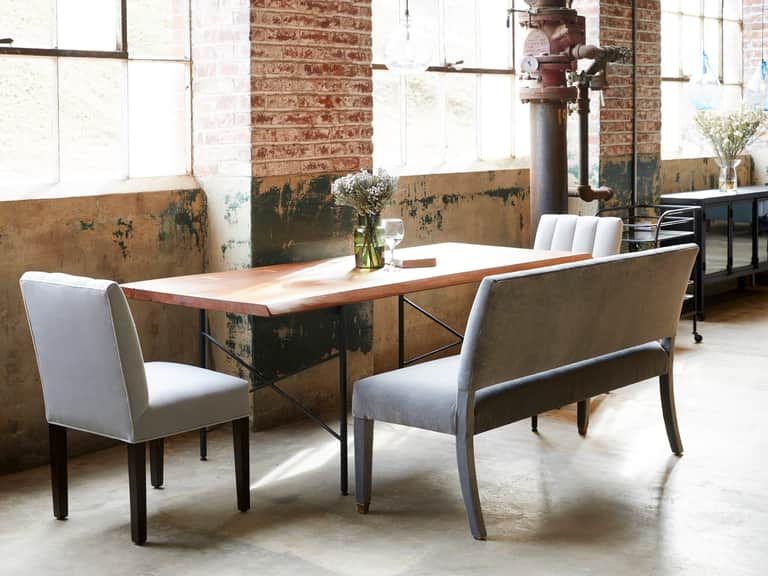
Among the furnishings that might accompany a thoughtful renovation, a single example from a modern, responsibly crafted line can help anchor decisions. The Cisco Enzo Chair stands as a study in restrained elegance: FSC-certified hardwood, a maple base, and upholstery choices that invite non-toxic fabric selection. This chair’s geometry—clean lines, tight seat, and a back that supports posture without visual heaviness—embodies the philosophy of durable, breathable, and gracefully aging furniture that can fit into a non-commercial, knowledge-centered hub’s editorial voice. See the product details and options for fabric customization to align with your non-toxic procurement strategy.
As a visual reference for readers, the Enzo Dining Chair embodies a synergy of form and function that mirrors the editorial stance of this article: objects that endure, that invite reflection, and that respect the environments they inhabit.
Cisco Home Enzo Chair — FSC Certified Hardwood frame, Maple base, Umber stain, 20\"w x 24\"d x 35\"h. Upholstery options available.
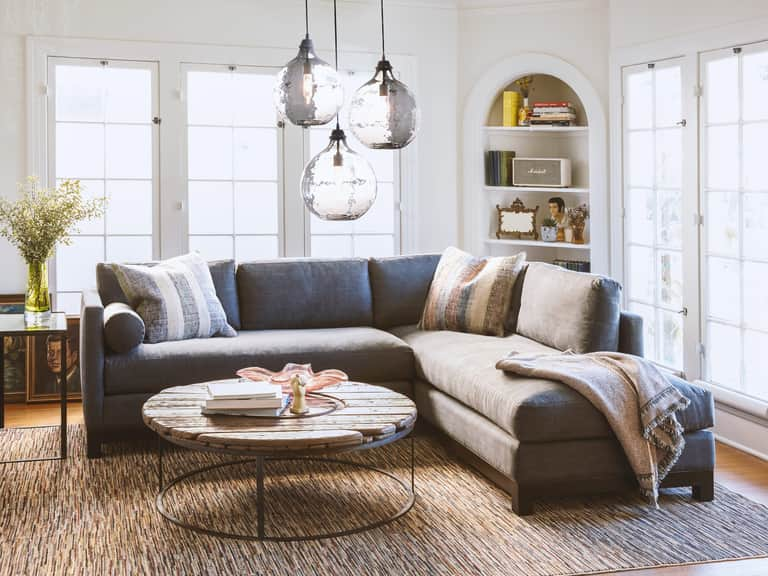
For readers seeking a broader example, consider the Cisco Cosmo Sectional or Lorenzo Sectional as cases for testing materials, finishes, and take-back programs. The Cosmo’s no-sag seating and FSC-certified frame present a benchmark for longevity, while the Lorenzo’s use of recycled wine oak barrels for legs illustrates a circular approach to design.
Image references and product details are illustrative and intended to ground the discussion in real-world choices without commercial bias. Readers should consult current product specifications and sustainability data when evaluating purchases.